Bennett Ojo Declares Best Parking Spot Avoided By Everyone Else
May 18, 2026
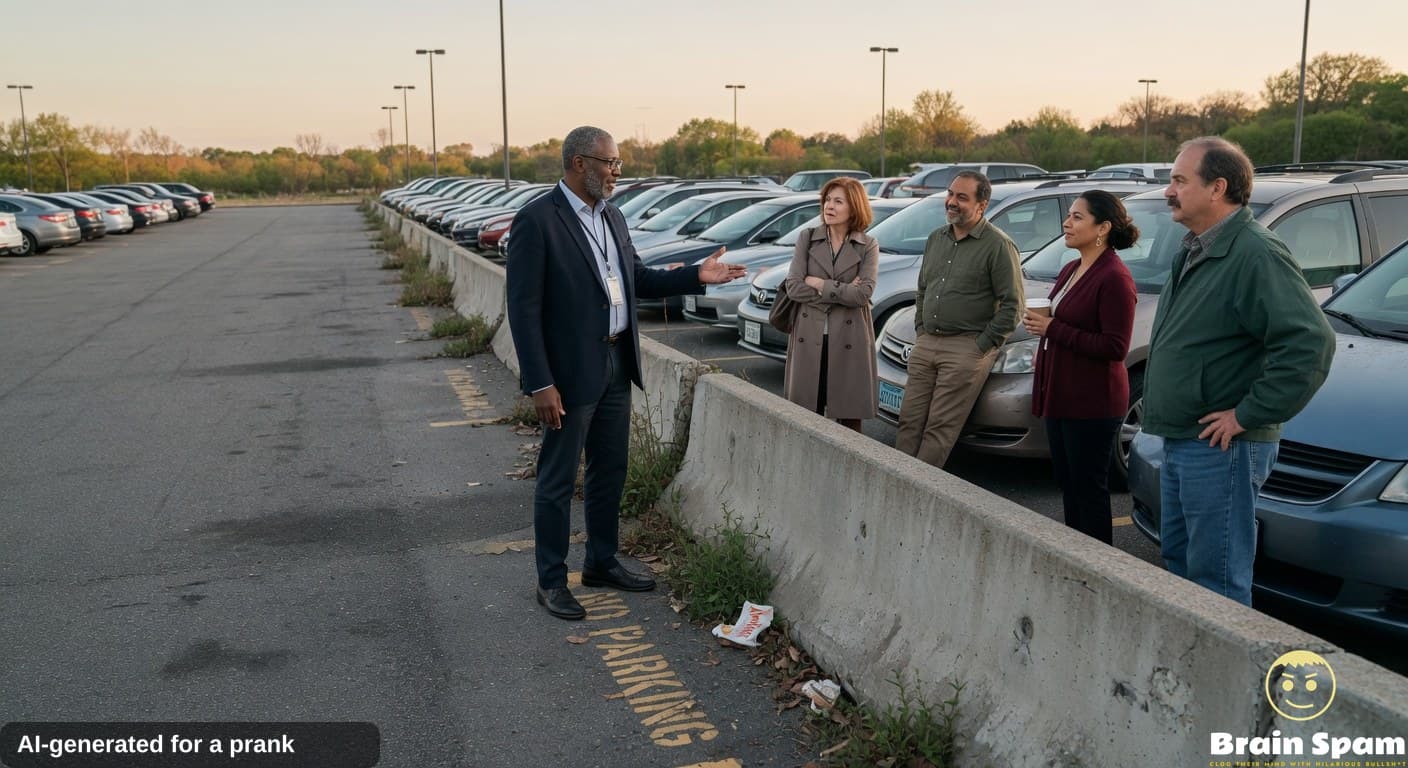
Bennett Ojo stood before a modest gathering and stated with full conviction that the finest parking space is always the one no other driver would consider taking. The announcement came during a routine discussion about daily commutes and quickly drew puzzled stares from those nearby. Within hours the claim spread through local networks as people began wondering whether their usual choices had been all wrong. Parking lots that once filled in orderly patterns now saw drivers circling past open spots in search of the most neglected corners. Reports indicated increased traffic backups at entrances as vehicles slowed to evaluate which space appeared least appealing to the general public.
Initial Announcement
The declaration prompted a wave of experimental parking behavior across several nearby facilities. Drivers who once competed for spaces close to entrances now deliberately sought out areas near loading docks or under flickering lights that had long gone unused. Observers noted a strange sense of satisfaction among some participants who felt they were following a newly discovered principle of efficiency. Local traffic patterns shifted noticeably with more vehicles occupying remote sections and leaving prime areas empty for longer stretches of the day. Community members began comparing notes on how long they could leave their cars in these overlooked zones without any interference from others.
Widespread Experimentation
Further developments showed that the idea had taken root in unexpected ways as more individuals tested the theory during peak hours. Entire rows of vehicles clustered in spots typically reserved for maintenance access or overflow during events that rarely occurred. The resulting arrangement created a patchwork of empty spaces right in the middle of crowded lots while distant corners overflowed with activity. Witnesses described an atmosphere of quiet determination as drivers maneuvered into positions that previously would have prompted complaints about distance or inconvenience. Over time this approach began influencing decisions about arrival times and departure strategies.
Community Adjustments
Additional layers of the practice emerged when reports surfaced of people scouting locations days in advance to identify which spots consistently drew zero interest. The process involved careful observation of lighting conditions and proximity to entrances or exits that might attract attention. Such preparations led to detailed mental maps of parking areas that prioritized isolation over convenience. Those involved reported feeling a sense of accomplishment upon securing a space that remained untouched by others throughout their stay. The trend continued to gain momentum as word traveled and new participants joined the effort to refine their selections.
Long Term Effects
By the following weeks the approach had produced measurable changes in how lots were utilized with some facilities experiencing uneven distribution that puzzled maintenance crews. Data collected informally suggested a slight uptick in walking distances for many drivers who now parked farther away in pursuit of truly unwanted spots. One particularly striking outcome involved a single vehicle left undisturbed for an entire afternoon in a location that normally turned over multiple times per hour. The situation prompted renewed conversations about what truly constitutes an optimal choice when everyone begins avoiding the same options.
Related Searches
🎉Gotcha!
This satirical story was created by a BrainSpam user using the BrainSpam platform — a tool for generating fictional and humorous stories for entertainment.
Create your own at BrainSpam.com
Disclaimer: This article was created by a user of BrainSpam and is intended solely for satire, parody, and entertainment purposes.
BrainSpam is a platform that allows users to create fictional, humorous, or exaggerated stories about real or imaginary people and events.
The content above is not factual reporting and should not be interpreted as statements of fact. It reflects the creative expression of the individual user who created it, not the views of BrainSpam or its operators.
Real persons may be referenced as part of parody or commentary. Any resemblance to actual events or individuals is used in a satirical or fictional context.
BrainSpam does not verify or endorse user-generated content published on this platform.
More from OnlyOpinions.com
Lifestyle
Theo Vance Sparks Joy With His Parking Wisdom

Lifestyle
BREAKING: SAMMY LIDDELL'S LEFTOVERS KEEPER DEMAND ROCKS GROUP DINNERS YOU WON'T BELIEVE
Lifestyle
Dennis Quayle Jr Sparks Joy With Wise Parking Advice
Lifestyle
Yusuf Cardenas Takes Bold Stance That Socks Should Count As Formalwear
Lifestyle
BREAKING EXCLUSIVE: BARRY ONWUDIWE CALLS SNOOZE BUTTON STRATEGIC GENIUS IN COLUMN THAT SENT SHOCKWAVES
Lifestyle