SHOCKING EXCLUSIVE: BARRY ONWUDIWE PENS COLUMN PRAISING SNOOZE BUTTON AS STRATEGIC GENIUS YOU WON'T BELIEVE
February 11, 2026
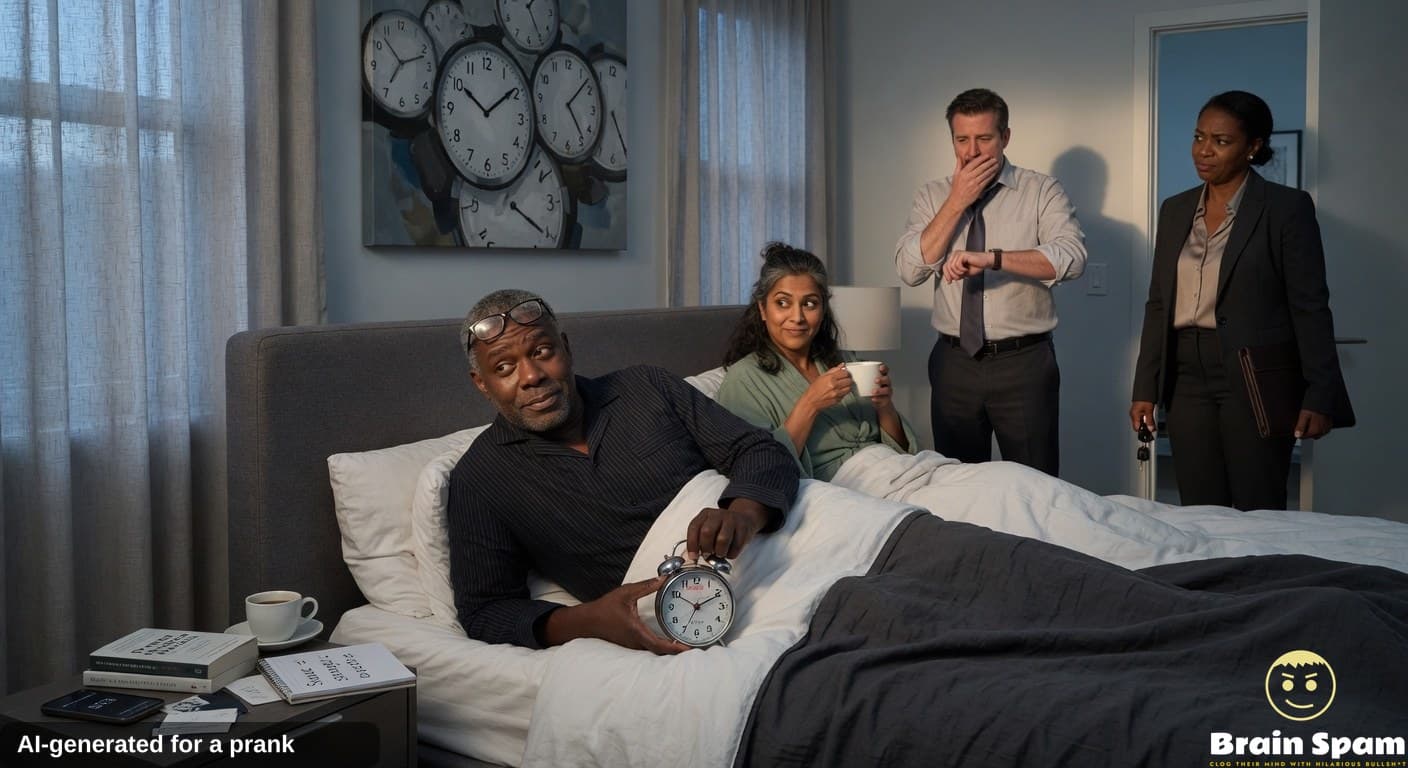
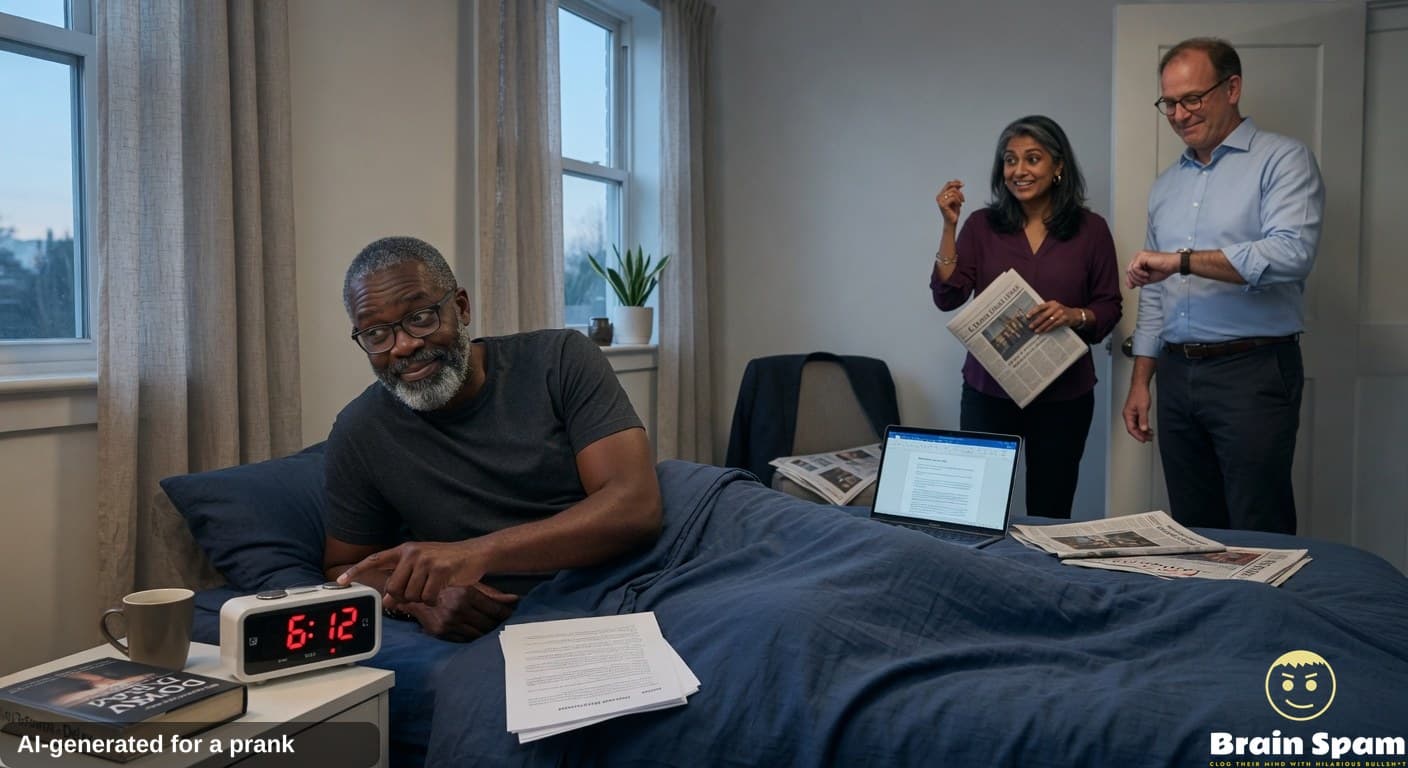
In a move that sent shockwaves through morning routines everywhere on February 11 2026 Barry Onwudiwe dropped a column defending the snooze button as nothing short of strategic genius and sources reveal it has already sparked endless debates among early risers and night owls alike. The piece paints hitting that button not as laziness but as a calculated power play for better productivity and visibly shaken witnesses at coffee shops across the city admitted they could not stop rereading the arguments while their own alarms blared in the background. What started as a simple opinion piece has quickly turned into a viral sensation with anonymous insiders noting how it challenges every self help book that ever warned against the habit and stunned onlookers are now questioning their own wake up strategies in what experts are calling unprecedented.
The Genius Defense
Barry Onwudiwe builds his case with vivid details about how the snooze button allows for extra moments of reflection that lead to sharper decision making throughout the day and he describes it as a secret weapon rather than a crutch. The column dives deep into scenarios where extra sleep cycles supposedly recharge the mind for peak performance making readers wonder if their rushed mornings have been all wrong. Stunned onlookers who picked up the publication reported feeling a strange mix of validation and guilt as they lingered in bed just a few minutes longer the next morning and this fresh perspective has already inspired countless office chats about rethinking the daily grind from the ground up.
Public Outcry Erupts
Reactions poured in almost instantly with anonymous insiders sharing how the column disrupted entire households where one person embraced the snooze while another stuck to strict schedules creating lighthearted family tensions that played out over breakfast tables everywhere. The piece highlights real world examples of successful people who credit their edge to strategic napping yet it does so without naming anyone specific leaving readers to fill in the blanks with their own heroes. Visibly shaken witnesses at newsstands admitted they felt their entire worldview shift as they absorbed the bold claims and this backlash has only fueled more shares making the column the talk of every social gathering this week.
Insider Revelations Surface
Anonymous insiders close to the writing process reveal that Barry Onwudiwe drew from personal experiments with alarm clocks to craft his defense and the result is a persuasive narrative that turns conventional wisdom on its head. The article explores how repeated snoozes can build resilience against stress by giving the body time to ease into alertness rather than jolting it awake and this angle has resonated deeply with those tired of feeling exhausted before the day even begins. Stunned onlookers who followed the story online described a wave of relief washing over them as if permission had finally been granted to enjoy those extra moments and the buzz shows no signs of fading anytime soon.
Morning Routines Redefined
The column continues to gain traction by offering practical tips wrapped in humor such as setting multiple gentle alarms to create a smooth transition into wakefulness and this approach has left readers experimenting with their own setups in creative ways. Anonymous insiders note that the piece avoids judgment and instead celebrates the snooze button as an ally in the battle against burnout making it feel like a supportive friend rather than a critic. Visibly shaken witnesses at local cafes confessed to rethinking their entire approach to mornings after reading it and this shift in attitude promises to influence countless daily habits moving forward.
The story is developing as more readers weigh in on whether the snooze button truly represents strategic genius or just another excuse to stay cozy.
Related Searches
🎉Gotcha!
This satirical story was created by a BrainSpam user using the BrainSpam platform — a tool for generating fictional and humorous stories for entertainment.
Create your own at BrainSpam.com
Disclaimer: This article was created by a user of BrainSpam and is intended solely for satire, parody, and entertainment purposes.
BrainSpam is a platform that allows users to create fictional, humorous, or exaggerated stories about real or imaginary people and events.
The content above is not factual reporting and should not be interpreted as statements of fact. It reflects the creative expression of the individual user who created it, not the views of BrainSpam or its operators.
Real persons may be referenced as part of parody or commentary. Any resemblance to actual events or individuals is used in a satirical or fictional context.
BrainSpam does not verify or endorse user-generated content published on this platform.
More from OnlyOpinions.com
Lifestyle
Theo Vance Sparks Joy With His Parking Wisdom

Lifestyle
BREAKING: SAMMY LIDDELL'S LEFTOVERS KEEPER DEMAND ROCKS GROUP DINNERS YOU WON'T BELIEVE

Lifestyle
Dennis Quayle Jr Sparks Joy With Wise Parking Advice
Lifestyle
Yusuf Cardenas Takes Bold Stance That Socks Should Count As Formalwear
Lifestyle
Bennett Ojo Declares Best Parking Spot Avoided By Everyone Else
Lifestyle