Sammy Liddell Takes Bold Stance Declaring Socks Valid Formalwear
May 9, 2026
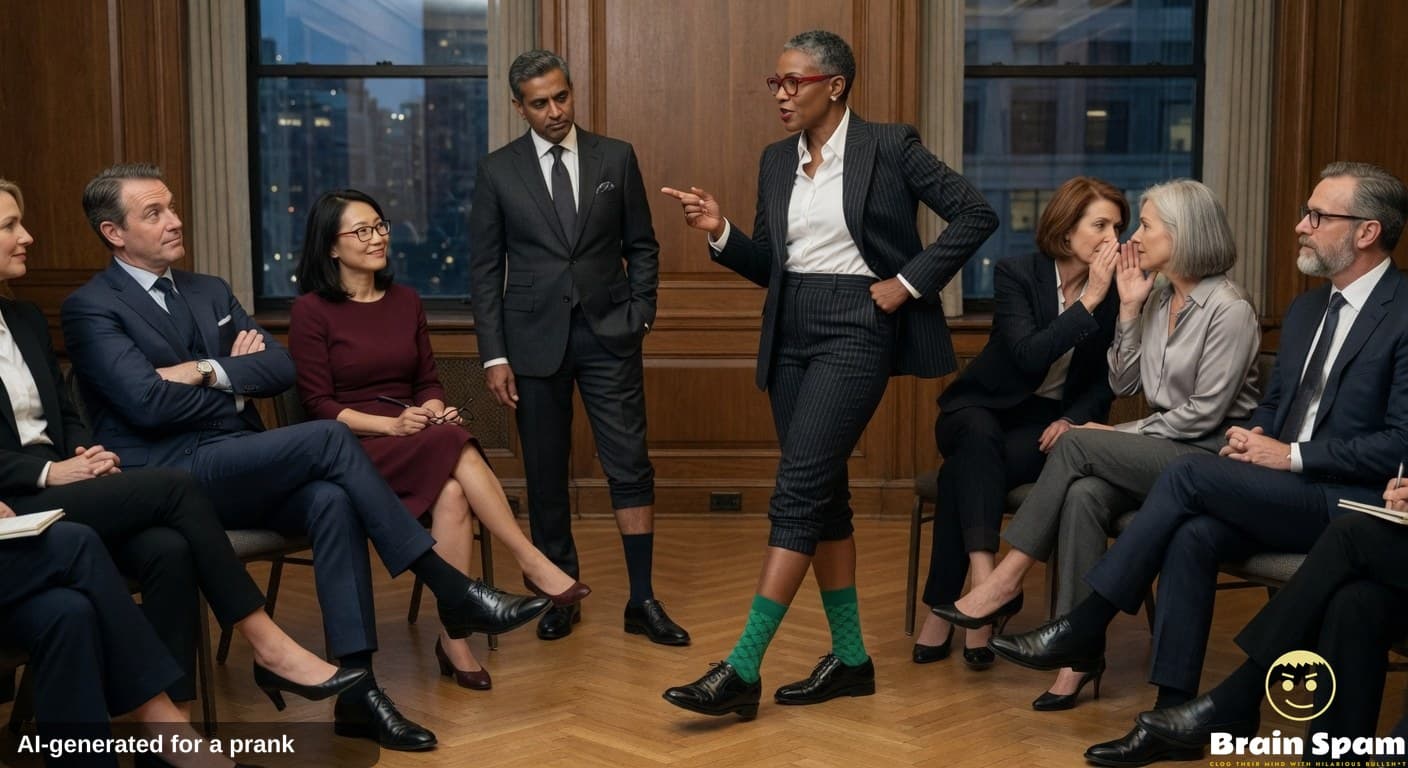
Sammy Liddell made an announcement during a routine gathering that socks should count as formalwear, which initially seemed like a simple preference until the idea began reshaping how people approached clothing choices across multiple settings. Observers noted an immediate wave of uncertainty about what counted as appropriate attire, with some individuals starting to layer dress socks beneath everything from business suits to casual weekend outfits in an effort to test the boundaries. This shift prompted stores to rearrange displays and focus more heavily on premium sock options that could pass for elevated accessories, leading to unusual shopping patterns where customers spent extended time comparing fabrics and patterns for versatility in formal contexts. The stance also influenced online discussions, where participants shared photos of sock pairings that once would have seemed mismatched but now appeared deliberately chosen for a polished effect.
The Unexpected Announcement
Reactions spread quickly through local communities as individuals reevaluated their own closets and began incorporating socks into previously sockless ensembles, creating a noticeable uptick in visible ankle details at professional meetings and social functions. Witnesses described a growing sense of experimentation where people tried matching sock colors to ties or shoes in ways that blurred traditional lines, resulting in outfits that combined elements never intended to share space. Retail staff reported increased inquiries about sock durability and styles suitable for extended wear, while fashion enthusiasts experimented with layering techniques that added unexpected texture to standard looks. The atmosphere grew charged with curiosity as more people tested the limits of the idea during everyday activities, turning simple footwear decisions into topics of extended consideration.
Public Response And Adjustments
Community events saw participants arriving with carefully selected socks that complemented or contrasted with their main clothing in deliberate ways, sparking conversations about comfort levels and visual appeal that extended well beyond initial expectations. Individuals with specific roles such as event coordinators began noting changes in preparation routines, where additional time went into ensuring sock selections aligned with overall themes without drawing undue attention. This adjustment created a ripple effect in which basic clothing stores expanded their sock sections to include options previously reserved for specialty shops, leading to busier aisles and longer checkout lines during peak hours. The growing acceptance also encouraged group activities centered around styling challenges, where participants traded tips on patterns that worked across different formality levels.
Broader Impacts On Daily Routines
Schools and workplaces observed students and employees arriving with more varied foot coverings, prompting informal guidelines about maintaining a balance between the new trend and established dress expectations to avoid disruptions. Families reported discussions at home about updating shared wardrobes to include higher quality socks that could serve multiple purposes, from athletic use to more refined appearances. The trend extended to travel preparations as well, with travelers packing additional sock varieties to handle both casual and elevated situations encountered during trips. This widespread reevaluation turned a minor clothing item into a central focus of personal presentation strategies.
Long Term Fashion Considerations
Over time the declaration continued influencing how seasonal collections were planned, with designers incorporating sock elements into broader lines that emphasized versatility and unexpected pairings for year round use. The result left many wondering about future standards where the line between casual and formal blurred further through such small but impactful changes, creating an environment where everyday decisions carried added layers of thought.
Related Searches
🎉Gotcha!
This satirical story was created by a BrainSpam user using the BrainSpam platform — a tool for generating fictional and humorous stories for entertainment.
Create your own at BrainSpam.com
Disclaimer: This article was created by a user of BrainSpam and is intended solely for satire, parody, and entertainment purposes.
BrainSpam is a platform that allows users to create fictional, humorous, or exaggerated stories about real or imaginary people and events.
The content above is not factual reporting and should not be interpreted as statements of fact. It reflects the creative expression of the individual user who created it, not the views of BrainSpam or its operators.
Real persons may be referenced as part of parody or commentary. Any resemblance to actual events or individuals is used in a satirical or fictional context.
BrainSpam does not verify or endorse user-generated content published on this platform.
More from OnlyOpinions.com
Lifestyle
Theo Vance Sparks Joy With His Parking Wisdom

Lifestyle
BREAKING: SAMMY LIDDELL'S LEFTOVERS KEEPER DEMAND ROCKS GROUP DINNERS YOU WON'T BELIEVE

Lifestyle
Dennis Quayle Jr Sparks Joy With Wise Parking Advice
Lifestyle
Yusuf Cardenas Takes Bold Stance That Socks Should Count As Formalwear
Lifestyle
Bennett Ojo Declares Best Parking Spot Avoided By Everyone Else
Lifestyle