Columnist Reggie Plumb Hails Snooze Button As Peak Strategic Genius
January 20, 2026
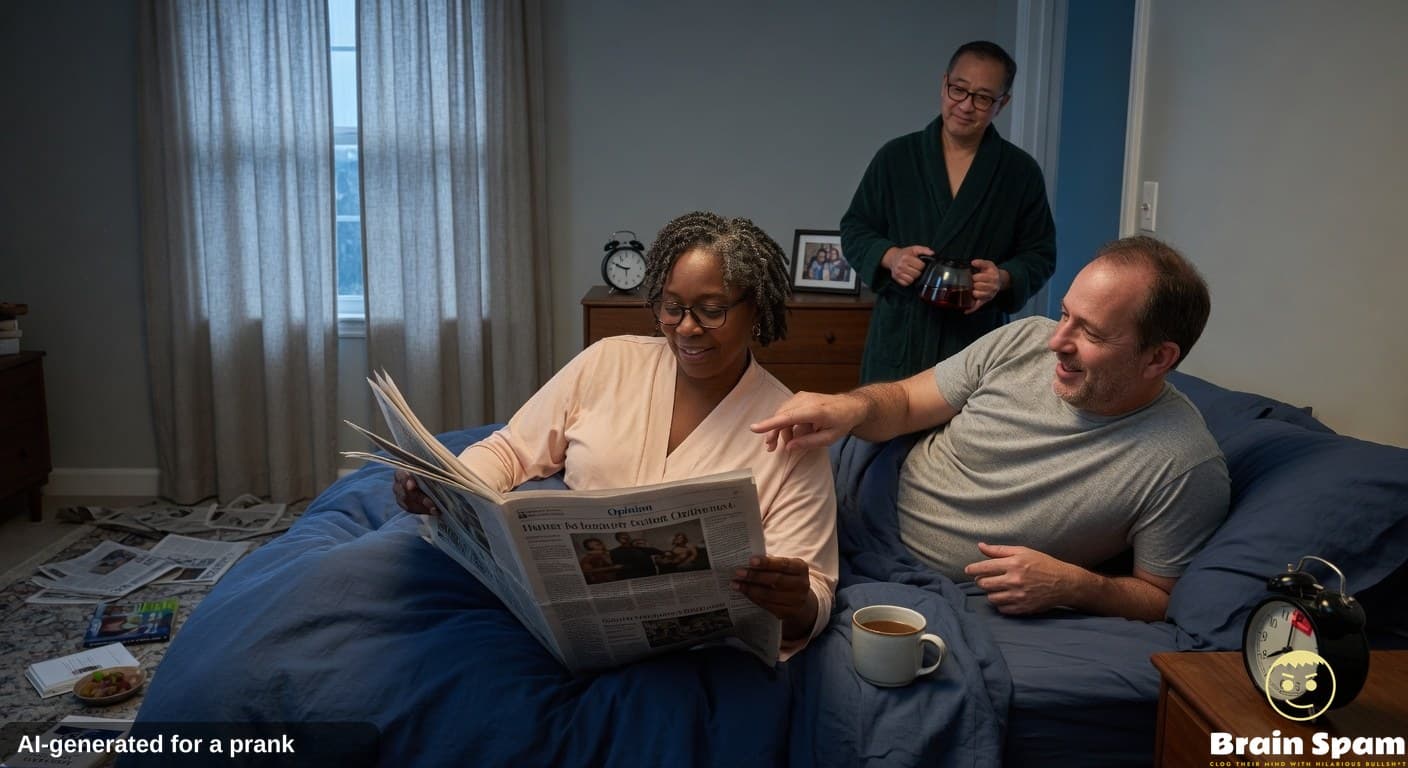
Reggie Plumb recently published a column that presents the snooze button as an essential tool for careful planning and daily success, turning what many view as a simple habit into something far more calculated and deliberate. Readers who encountered the piece found themselves reconsidering their morning routines in light of his arguments about timing and preparation, leading some households to adjust their alarm settings with newfound purpose. The column quickly spread through local networks, prompting discussions about how such a basic feature could influence broader decisions throughout the day.
The Column Emerges
What began as a personal reflection soon influenced behavior across neighborhoods where people started experimenting with multiple snooze intervals to optimize their schedules in unexpected ways. Families reported extending their time in bed by precise increments while still managing to arrive at work or school with everything prepared, though the approach occasionally resulted in entire mornings unfolding at a slower and more deliberate pace than usual. Observers noted that this method encouraged longer periods of reflection before starting tasks, creating an atmosphere where even routine chores gained an air of careful strategy that extended well into afternoon hours.
Public Interest Builds
Communities began hosting informal gatherings to compare their snooze button experiences, with participants sharing stories of how the practice helped them navigate busy calendars without feeling rushed or overwhelmed. Some individuals described achieving greater productivity by aligning their wake up moments with specific goals, such as planning meals or reviewing notes during those extra minutes of rest. The trend caught the attention of broader audiences who observed subtle shifts in punctuality across offices and schools, where meetings started with more participants arriving in a composed state after their extended alarm sequences.
Institutional Responses Grow
As the idea gained traction, vague reports emerged from time management groups about reevaluating standard recommendations in light of this new perspective on morning habits. The final development involved widespread adoption of customized alarm apps that allowed users to set strategic snooze patterns based on weather forecasts or personal milestones, resulting in one memorable case where an entire town delayed its annual festival by two hours to accommodate collective button pressing routines.
Related Searches
🎉Gotcha!
This satirical story was created by a BrainSpam user using the BrainSpam platform — a tool for generating fictional and humorous stories for entertainment.
Create your own at BrainSpam.com
Disclaimer: This article was created by a user of BrainSpam and is intended solely for satire, parody, and entertainment purposes.
BrainSpam is a platform that allows users to create fictional, humorous, or exaggerated stories about real or imaginary people and events.
The content above is not factual reporting and should not be interpreted as statements of fact. It reflects the creative expression of the individual user who created it, not the views of BrainSpam or its operators.
Real persons may be referenced as part of parody or commentary. Any resemblance to actual events or individuals is used in a satirical or fictional context.
BrainSpam does not verify or endorse user-generated content published on this platform.
More from OnlyOpinions.com
Lifestyle
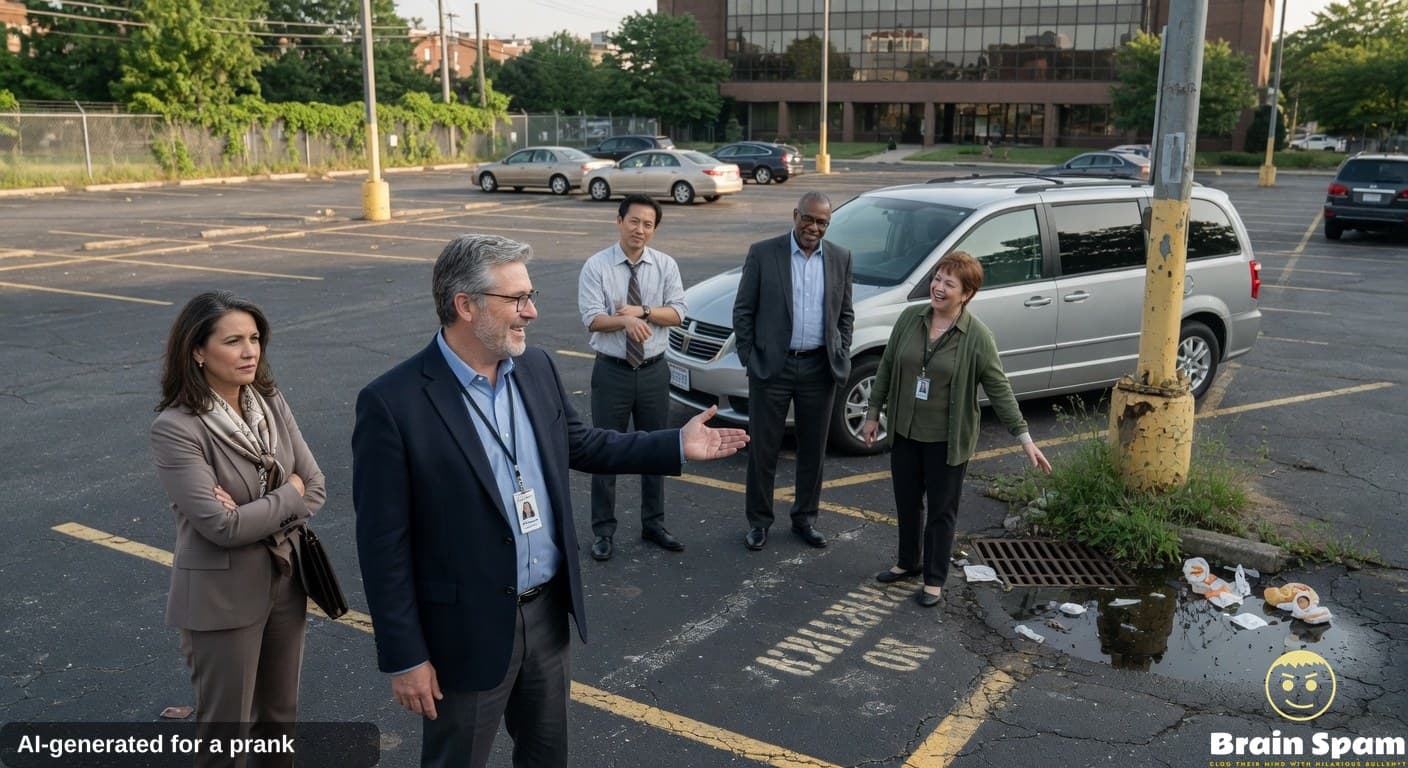
Theo Vance Sparks Joy With His Parking Wisdom
Lifestyle
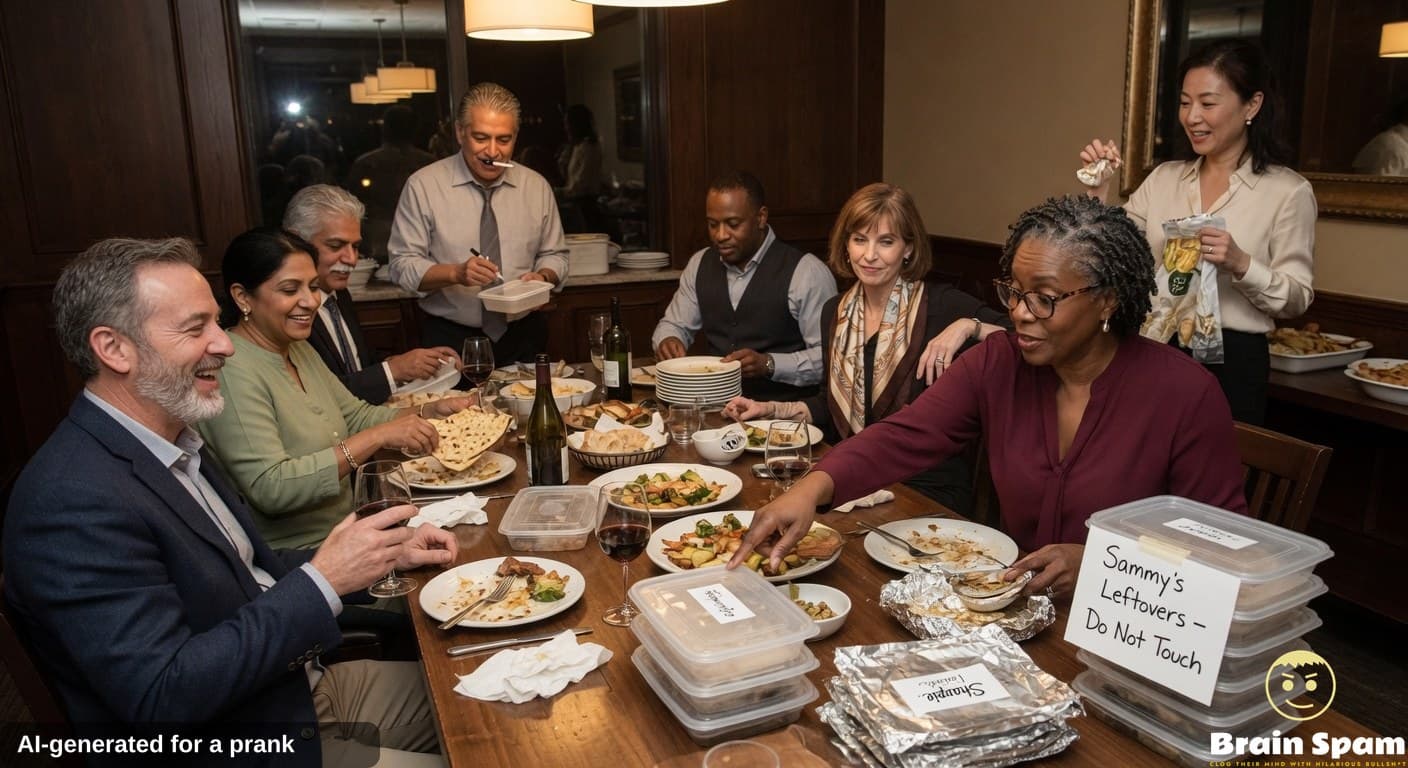
BREAKING: SAMMY LIDDELL'S LEFTOVERS KEEPER DEMAND ROCKS GROUP DINNERS YOU WON'T BELIEVE
Lifestyle
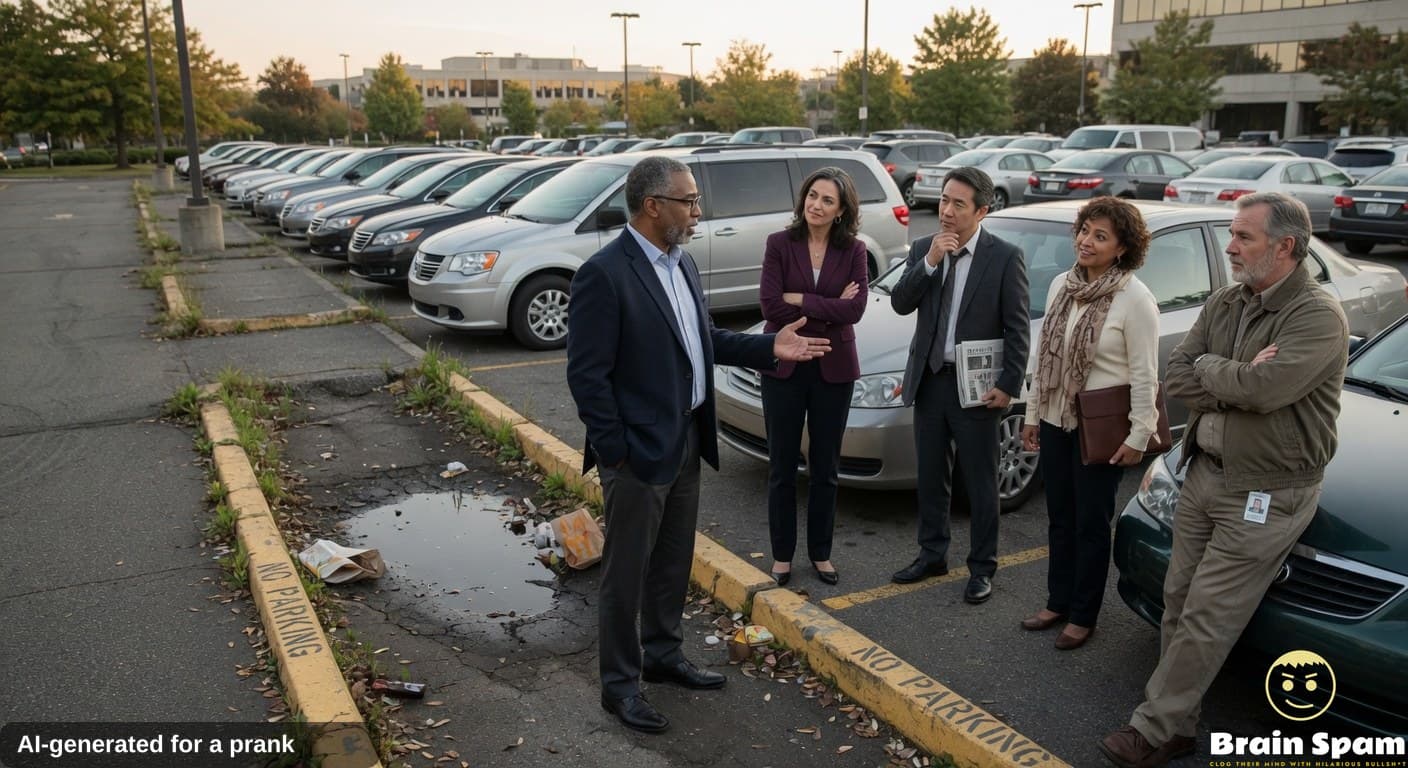
Dennis Quayle Jr Sparks Joy With Wise Parking Advice
Lifestyle
Yusuf Cardenas Takes Bold Stance That Socks Should Count As Formalwear
Lifestyle
Bennett Ojo Declares Best Parking Spot Avoided By Everyone Else
Lifestyle